
6 Operational Reporting Capabilities to Consider

insightsoftware is the most comprehensive provider of solutions for the Office of the CFO. We turn information into insights, empowering business leaders to strategically drive their organization.

Organizations today turn to reporting and analytics for nearly every business decision. But companies continue to struggle with getting information to the people who need it most, in formats they understand, and in a timeframe that supports their business needs. Operational reporting can help to solve this issue by providing a look at the day-to-day activities within an organization, but there are some key considerations to make when developing these types of reports.
What are Reporting Capabilities?
Reporting Capabilities refer to the tools and features that allow organizations to gather, analyze, and present data effectively. By leveraging these capabilities, businesses can create structured reports that inform decision-making, track performance, and ensure compliance. Reporting Capabilities are a fundamental part of data-driven strategies, providing insights into various aspects of operations, from financial health to customer satisfaction. With robust reporting tools, organizations can access accurate, up-to-date information essential for strategic planning and competitive positioning.
How Reporting Capabilities Work
Reporting Capabilities function by pulling data from multiple sources, organizing it, and transforming it into digestible formats such as tables, charts, and graphs. Typically integrated within business intelligence (BI) or enterprise resource planning systems, these tools automate data extraction and formatting. Users can customize reports to highlight specific metrics or trends, making it easier to focus on areas of strategic importance. Advanced Reporting Capabilities often include real-time data updates, allowing stakeholders to view the latest insights without manual data entry or adjustments.
Why Reporting Capabilities are Important
Reporting Capabilities are critical for organizations aiming to make data-driven decisions and maintain transparency. They enable businesses to monitor key performance indicators (KPIs) in real-time, ensuring that leaders have a clear understanding of current performance. By organizing data into actionable insights, reporting reduces the time and effort needed to analyze information, allowing teams to focus on execution rather than data collection. Additionally, effective Reporting Capabilities support compliance efforts, as structured reporting can be essential for regulatory requirements and audits.
Key Components of Reporting Capabilities
Effective Reporting Capabilities are built on several foundational components that ensure data is accessible, accurate, and actionable. These components provide the structure that allows organizations to collect insights from multiple sources, tailor reports to specific needs, and respond to information in real time. Together, they enable businesses to transform raw data into meaningful insights that support decision-making and strategy. Below are the key elements that make up comprehensive Reporting Capabilities, each playing a vital role in the accuracy, flexibility, and accessibility of reporting.
Data Integration: Pulls data from diverse sources to create a unified view across the organization, supporting comprehensive reporting.
Customization Options: Allows users to tailor reports to specific needs, ensuring that only the most relevant metrics are presented.
Real-Time Data Updates: Provides immediate access to the latest data, supporting timely and responsive decision-making.
User-Friendly Interface: Simplifies report generation and allows users of all technical levels to create and interpret reports effectively.
Automated Scheduling: Enables reports to be generated and distributed on a regular schedule, ensuring stakeholders receive consistent updates without manual input.
These components together create a robust reporting infrastructure that allows for a responsive, data-driven approach to managing business insights.
6 Reporting Capabilities
To empower your report developers to build powerful and precise operational reports, look for these six must-have capabilities:
#1. Banded Layouts
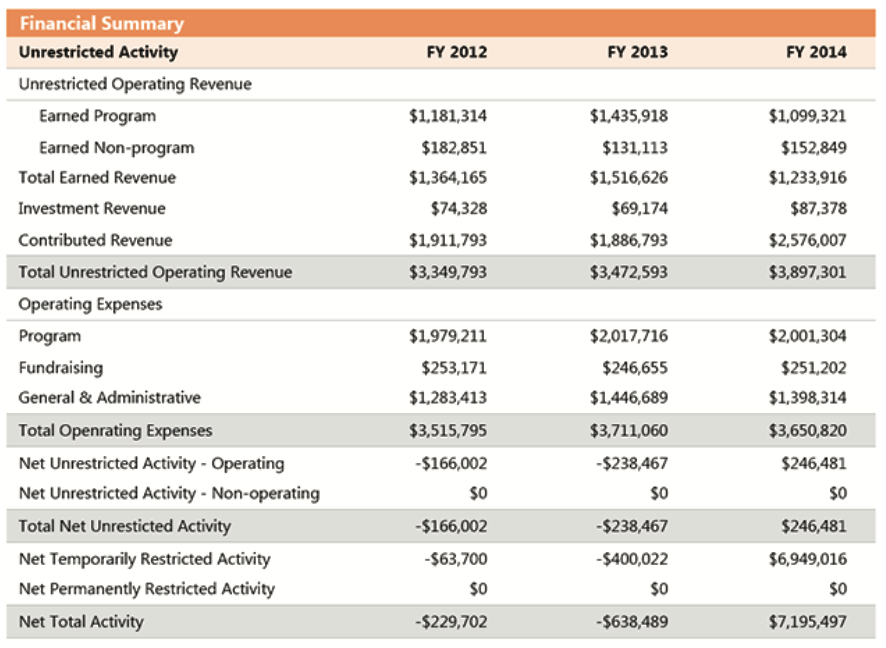
Developers should be able to organize operational reports into sections, called “bands.” Those bands can repeat within a page or across pages to present aggregated and detailed data. Bands can also be nested, by placing aggregated or group data summaries at the appropriate band level.
Operational Reporting Capability Example – Banded Layouts
#2. Pixel-Perfect Formatting
Developers should have control over the properties of every report object (including tables, charts, lines, fonts, shading) so they can precisely place and control each object. Common uses of pixel-perfect reports include invoices, documents, and forms that need to be exported to PDF, printed, and/or archived for regulatory compliance.
#3. Template Designer
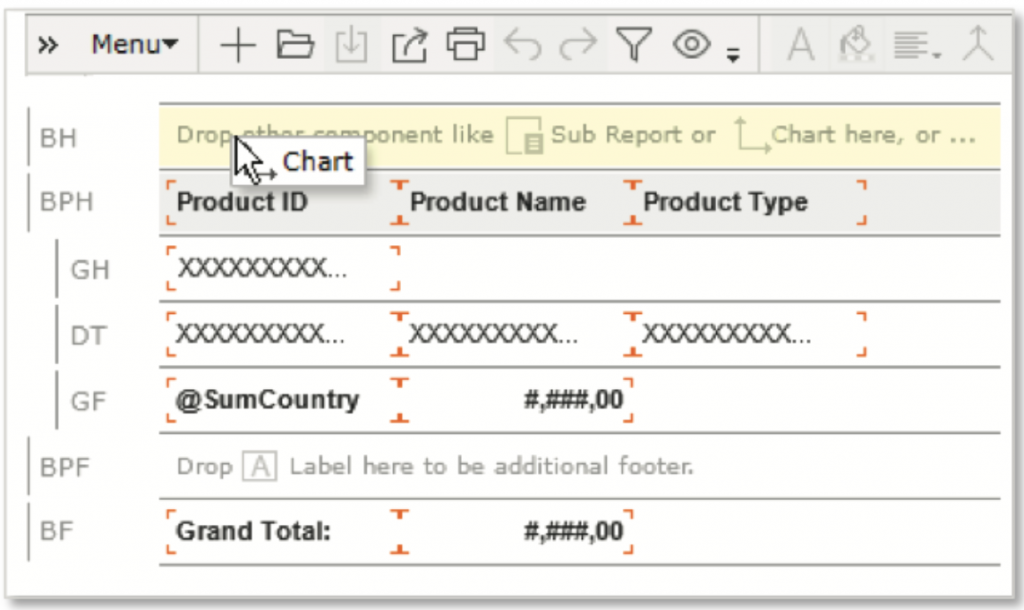
A report template design tool allows developers to rapidly create templates in a design-only view and focus solely on the structure and format—without getting distracted by the data. Developers can insert and lay out objects and control each one with fine-grained detail via properties.
Operational Reporting Capability Example – Template
#4. Pagination
Pagination controls let developers cleanly insert page breaks, either between objects of a report or within an object of a report (such as a table). Report developers can decide how to put relevant information on the same page or when to eject and start a new page.
#5. Sophisticated Data Engine
A sophisticated data engine enables developers to customize the behavior of the report interactivity based on the specific needs of end users. Operational reporting requires this capability to present aggregation and detailed information at multiple levels as well as allow data exploration and interactivity.
#6. Delivery
The best way to ensure the delivery of critical information to thousands of users (i.e., large-scale report distribution) is to use a high-performance and highly scalable solution. Look for an operational reporting solution backed by SaaS-grade multi-tenant security and scalability (which should include clustering, report bursting, and batch scheduling).
Learn more about operational KPIs and metrics to help you craft better operational reports.