





Brochure
Tidemark: Planning for the Hospitality Sector
The hospitality sector must be responsive to economic shifts,reacting to times of economic prosperity with competitive offeringsto increase profitability, and…
Read More
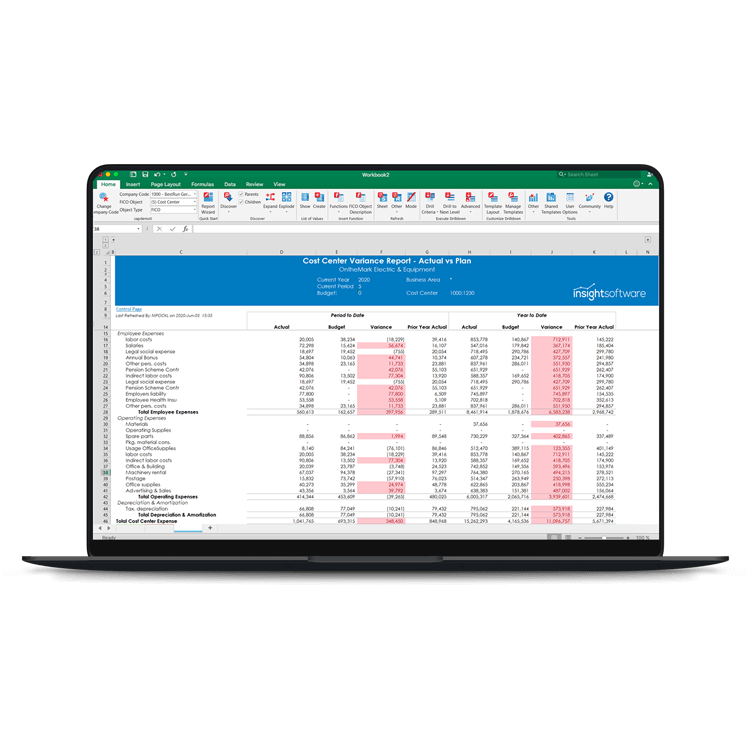

Utilities finance teams are increasingly creating and sharing reports and insights with other parts of their organizations. This cross-departmental role means it’s essential for finance to provide timely responses to business needs, but native ERP reporting tools tend to rely on IT resources to create and modify reports, which introduces unacceptable delays.
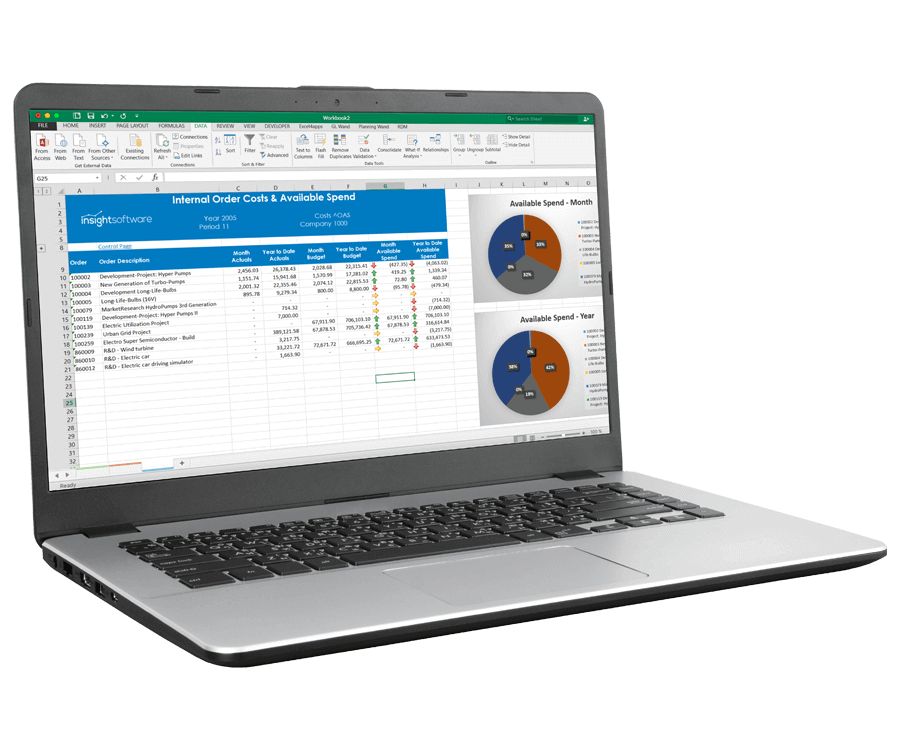
Your finance team needs to create consolidated reports across multiple cost and profit centers, but your ERP lacks the flexibility to do this efficiently. This lack of flexibility results in time-consuming and challenging manual processes, forcing you to dump static data into Excel just to get what you need in the right format. By the time you have all the pieces together, it’s no longer the latest information available.
From utility consolidation through mergers and acquisitions, to FERC requirement changes, your team is called upon to correlate data to support strategic decisions and provide rapid responses to regulatory changes like the Clean Power Plan. Utilities finance teams need to be swift and flexible in response to shifting regulations and evolving business needs.
As the utilities industry undergoes a period of transformation, the responsibilities of the Office of the CFO continue to expand to meet these new challenges. Empower your finance team to build comprehensive reports from base rates to infrastructure depreciation, without manual data pulls or reliance on IT. Quickly respond to increasing departmental requests for data insights while still having time to manage day-to-day responsibilities with ease.
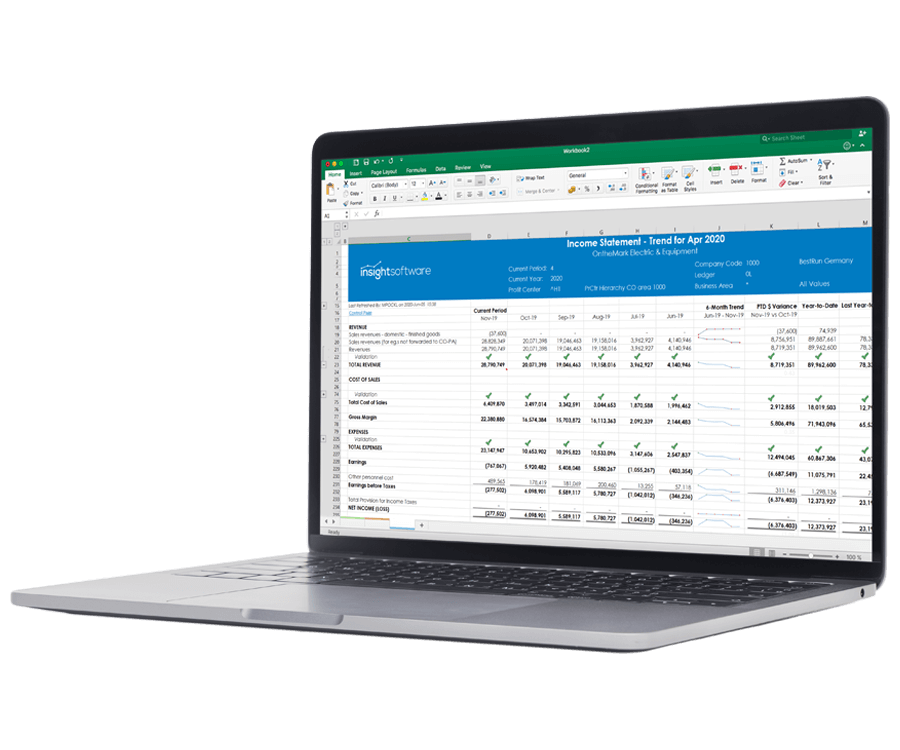
Whether you are using Oracle, SAP, or Munis, you can eliminate inefficiencies in reporting cycles by automating access to all data. With direct access to real-time data, users can drill into journals, balances, sub-legers, and transactions to find and quickly fix reconciliation or data integrity issues. Easily maintain your own data throughout your reporting cycle, not just when rate case analyses are needed.
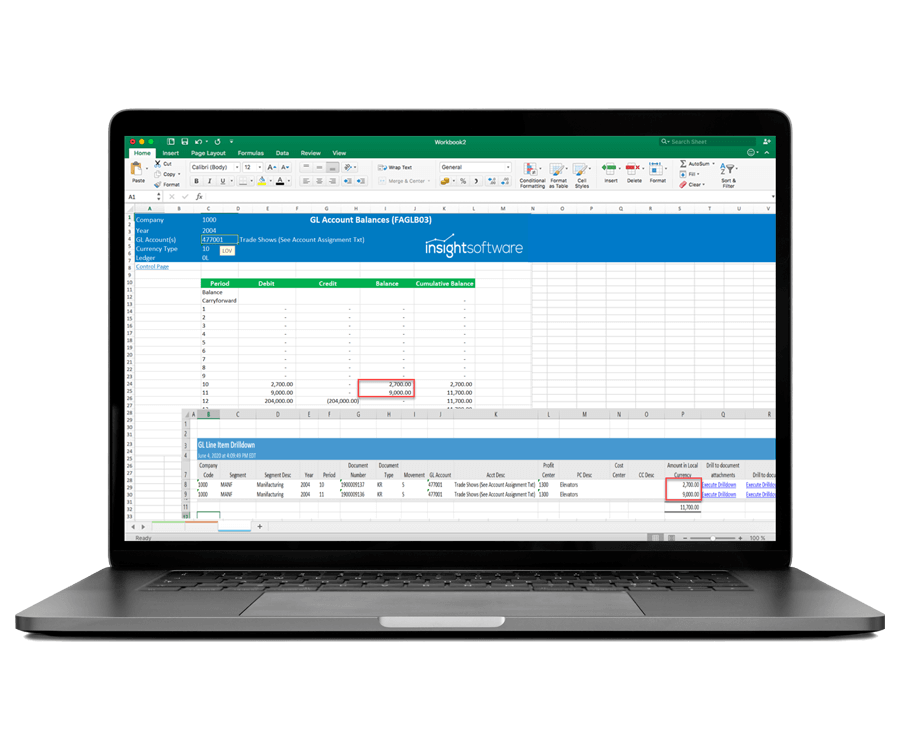
Stay agile by using a reporting tool that allows for easy adjustments so you can comply with government regulations and business needs as they change. Real-time integration to your ERP puts finance in control and provides a single version of the truth and trusted data, making it easy to quickly evaluate the impact of buying power from DER or provide financial insights into major infrastructure repairs and upgrades.
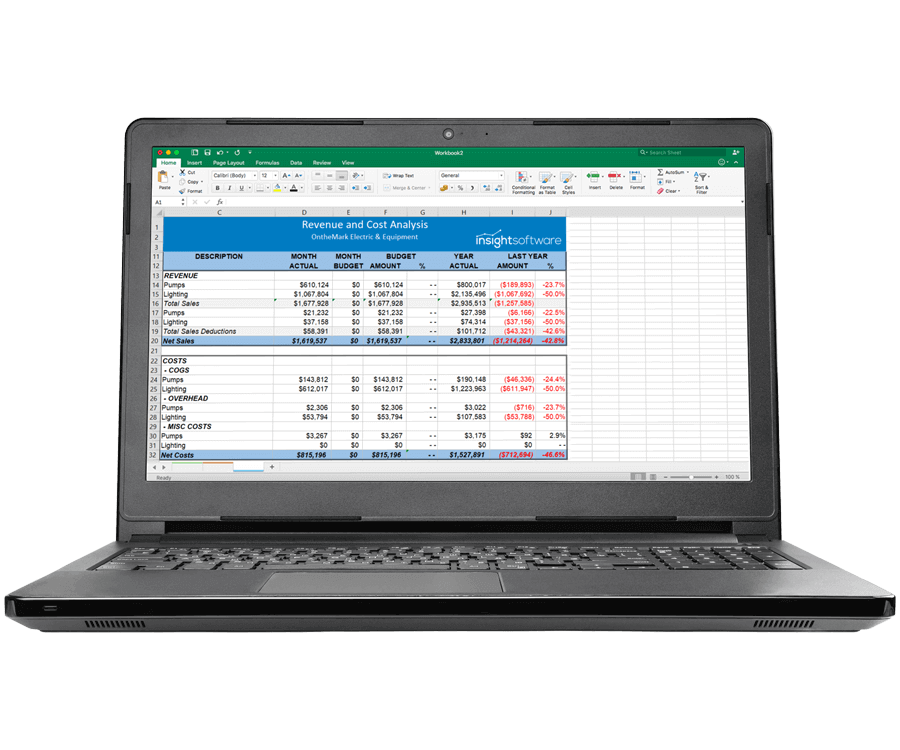
Stay agile by using a reporting tool that allows for easy adjustments so you can comply with government regulations and business needs as they change. Real-time integration to your ERP puts finance in control and provides a single version of the truth and trusted data, making it easy to quickly evaluate the impact of buying power from DER or provide financial insights into major infrastructure repairs and upgrades.
Integrates with:
SYSPRO
Whether you’re a spreadsheet expert or new to the business report world, download our Top 10 Best Practices for Utilities Reporting in Excel guide to help streamline your report creation process. Learn How to:
Make reports more interactive
Increase report usability
Tailor reports for your audience
Prevent unwanted spreadsheet errors
Work with the #1 Utilities Reporting, Analytics & Dashboard Software Vendor

Brochure
The hospitality sector must be responsive to economic shifts,reacting to times of economic prosperity with competitive offeringsto increase profitability, and…
Read More
Blog
Track these 5 key financial KPIs to gain a precise view of performance in the utility industry and optimize decision-making.
Read More
Customer Story
Truckee Donner Integrates BI Across Multiple, Disparate Systems
Read More